by Chesshir Stone | Apr 8, 2026 | Natural Stone
Natural stone is one of the most beautiful materials you can use in a house. It brings natural beauty, texture, and long lasting strength. Many homeowners use it for floors, walls, and kitchen countertops. But many people still ask how to choose the perfect natural stone for your home. With so many stone options, it can feel confusing at first.
The good news is that choosing natural stone need not be difficult. When you understand the stone type, durability, and the range of colors and patterns, the process becomes much easier. Whether you are planning a home renovation or looking for the best natural stone for home exterior, this guide will help you choose the right natural stone for your project.
How to Choose the Perfect Natural Stone for Your Home, Simple Things to Look At
When learning how to choose the perfect natural stone for your home, it helps to focus on a few simple things. Every natural stone slab is different. Natural stone comes from the earth, so each piece has its own color and pattern.
Some stones are very durable. Others are softer stones that need more care. That is why choosing natural stone always starts with understanding how the stone will be used. The stone you choose for a kitchen countertop may be different from the one you choose for a floor or wall cladding.
For example, stones like granite and quartzite are known for strong durability. Stones such as marble or limestone are softer. They still look beautiful, but they may need sealing to protect them from stain, scratch, or etch marks. When selecting the right natural stone, always think about:
- Where the stone will be used
- How durable the stone should be
- The color and pattern you like
- The level of care or maintenance needed
Taking time to think about these factors will help you choose the right stone for your space.
Understanding Stone Type Before You Choose the Right Natural Stone
One of the most important steps in selecting the right natural stone is learning about the different types. Each stone type has different features, strength, and appearance.
Granite
Granite is one of the most popular natural stone materials used in homes today. It is known for its durability and strength. Granite is a great choice for kitchen countertops because it can resist scratch marks better than many other stones.
Granite also comes in a wide range of colors and patterns. This makes it easy to match granite with many styles of natural stone for home design. Because of its durability, granite works well for floors, wall cladding, and stone pavers.
Many homeowners choose granite because it can stand the test of time. It is also one of the best choices for high use areas like the kitchen.
Marble
Marble is another beautiful natural stone. Stones such as marble are known for their elegant appearance and natural veining. Marble can add a soft, luxurious style to many spaces.
You will often see marble used for bathroom floors, walls, and decorative surfaces. However, marble is more porous than granite. Because of this, it may need sealing to help protect it from stain or etch marks.
Even with these needs, many homeowners still choose marble because its natural beauty is hard to match.
Quartzite
Quartzite is becoming more popular in modern home design. Quartzite is highly durable, similar to granite. At the same time, it often has patterns that resemble marble. Granite and quartzite are both excellent choices for natural stone countertops. They can handle busy kitchens and daily use.
Limestone
Limestone has a softer and more natural texture. It often comes in warm and neutral colors. Many homeowners like limestone for flooring, wall cladding, and decorative surfaces.
Limestone is more porous, so sealing can help protect it. Even though it is softer, limestone can still stand the test of time when properly cared for.
Matching Natural Stone With Your Home Design
Choosing natural stone for home design is not only about durability. It is also about how the stone looks in your space. Natural stone adds character and beauty to both modern and classic homes.
Many homeowners choose natural stone because it creates a seamless look. The natural texture and color variations make every stone slab unique. For example:
- Marble can create an elegant look in bathrooms and feature walls
- Granite works well for kitchen countertops and flooring
- Quartzite offers dramatic color and pattern
- Limestone provides soft and natural tones
When planning natural stone for home design, always look at how the stone will match your cabinets, walls, and floors. The combination of natural stone with other materials can create a balanced and beautiful space.
Natural stone also works well for both interior and exterior areas. It is one reason many designers use stone in many parts of a home.
Key Things to Check When Choosing Natural Stone
When homeowners ask how to choose the perfect natural stone for your home, there are a few simple details that can help guide the decision.
Check durability
Some stones like granite and quartzite are very durable. Softer stones like marble, limestone, or onyx may need more care.
Look at the color and pattern
Natural stone comes in a wide range of colors. The color and pattern within the stone can make a big difference in the overall design.
Understand maintenance
Some stones are porous. This means they may need to be sealed to prevent staining.
Think about lifestyle
Choosing a stone that fits your daily routine is important. Busy kitchens may require stronger materials, such as granite.
These small steps can make stone selection much easier. They help you choose a stone that fits both your style and your needs.
Choosing Natural Stone for Interior and Exterior Spaces
Natural stone works beautifully in both interior and exterior areas. Many homeowners choose it because it brings natural beauty and strength to different parts of a property.
Inside the home, natural stone is often used for:
- Kitchen countertops
- Bathroom surfaces
- Floors
- Wall cladding
Outside the home, stone can also be used for patios, walkways, and other exterior features. If you are searching for the best natural stone for home exterior, strong stones like granite or quartzite are often good options.
These stones can handle weather changes and heavy use. That is why they are often used for outdoor stone pavers and exterior surfaces. Choosing the right materials for interior and exterior areas helps the stone maintain its beauty for many years.
The Stone Supplier Many Homeowners Trust
When selecting natural stone materials, quality always matters. The stone you choose should offer durability, natural texture, and long lasting beauty.
That is why many homeowners choose Chesshir Stone. They focus on supplying high quality natural stone products for residential and commercial projects. Their selection includes popular stones such as granite, marble, quartzite, and limestone, as well as other natural stone materials.
Each slab shows the natural beauty and character that make stone so special. Whether you are selecting materials for a kitchen countertop, flooring, or wall cladding, their stone options help bring your home design ideas to life.
If you are searching for the best natural stone for home exterior or planning natural stone for home design, a reliable stone supplier can help you find the right stone for your space.
Final Thoughts on Choosing Natural Stone for Your Home
Understanding how to choose the perfect natural stone for your home becomes easier when you know what to look for. Each stone type offers something different. Granite offers strong durability. Marble brings an elegant look. Quartzite provides beauty and strength. Limestone offers a soft and natural feel.
By learning about stone types, durability, and color options, you can confidently choose the right natural stone. The right choice will improve your home design and add natural beauty that lasts for years.
Natural stone has been used in buildings for centuries because it can stand the test of time. When you take the time to select the right natural stone, you are choosing a material that will remain beautiful and durable for generations.
FAQs
How do I choose the right natural stone for my kitchen countertops?
Pick a stone that is durable, scratch- and stain-resistant, and fits your kitchen style.
What are the different types of natural stone for home design?
Common types are granite, marble, quartzite, limestone, and onyx, each with unique looks and strength.
How much maintenance does natural stone require?
Softer stones like marble need sealing and gentle cleaning, while granite and quartzite need little maintenance.
Can natural stone be used for both interior and exterior spaces?
Yes, natural stone works for floors, walls, countertops, and outdoor areas like patios and walkways.
How do I know if a stone is right for my home style?
Check the color, pattern, and veining to see if it matches your cabinets, floors, and walls.
Ready to learn how to choose the perfect natural stone for your home? Explore expert tips on granite, marble, and quartzite to find the right stone for your space. Start your stone journey today! Call us at (469) 972-6781.
by Chesshir Stone | Apr 6, 2026 | Natural Stone
If you want to know what is the most durable stone for construction, you are in the right place. Choosing the right material is very important for a long-lasting building. There are many types of stone, such as granite, limestone, marble, and quartzite. Each type of stone has its own strength and durability. In this blog, we will help you find the best stone for your constructionproject.
A durable natural stone can resist wear and tear, weather, and heavy use. It works well for floor, wall cladding, countertops, and building facades. Using the right building stone saves money and keeps your project looking good for many years. Durability also means the stone for your project will remain beautiful, even in high-traffic areas.
Why Durability Matters in Construction
When choosing stone for your building project, durability is key. So, what is the most durable stone for construction? Some stones like granite are highly resistant to scratches, stains, and pressure. They are perfect for kitchen countertops, flooring, and high-traffic areas.
Other stones, such as limestone or travertine, are relatively soft stone, but they are still widely used in construction. They work well in areas with less heavy traffic or where natural beauty is a priority.
Durability also reduces maintenance costs. A durable natural stone does not need frequent sealing, polishing, or repair. It can handle weather, heat, and wear and tear, making it a smart building material for both interior and exterior projects.
Granite: Strong and Reliable
Granite is one of the strongest stone types used in modern construction. It is an igneous rock formed under intense heat and pressure, giving it excellent hardness and strength and durability.
Granite is heat-resistant, making it ideal for kitchen countertops and areas that see a lot of sunlight or heat exposure. It also works well for floor, wall cladding, building facades, and landscaping.
Beyond its strength, granite has natural beauty, with a wide range of colors and patterns. This popular stone is often chosen for modern construction for its combination of aesthetics and performance. Many stones used in construction today rely on granite for its high resistance.
Limestone: A Classic Choice
Limestone is a sedimentary rock mostly made of calcium carbonate. It is relatively soft stone, but it has been widely used for centuries. Limestone is generally used in flooring, facades, monuments, and even exterior wall cladding.
Despite being relatively soft, limestone remains a popular stone because it is easy to shape and gives a classic natural texture. Limestone also works beautifully in combination with other stone types used for modern building projects.
Marble: Elegant but Softer
Marble is a sedimentary rock known for its natural beauty and veining. It is often used for decorative countertops, floor, or wall cladding.
While marble looks luxurious, it is less durable than granite or quartzite. Marble is relatively soft, and it can stain or etch more easily, especially when exposed to acidic materials.
Marble is ideal for indoor projects or areas with moderate use. Using marble as a material for your project adds elegance, but you may need extra care to keep it in pristine condition. Many builders pair marble with harder stone types used in construction to balance style and strength and durability.
Quartzite: Strong and Beautiful
Quartzite is a durable natural stone that combines strength and beauty. It is formed under intense heat and pressure, making it highly resistant to scratches, heat, and wear and tear.
Quartzite is perfect for floor, countertops, and exterior wall cladding. Its hardness on the Mohs scale makes it one of the strongest stones used in construction.
With its natural beauty and wide range of colors, quartzite is a popular stone for both indoor and outdoor use. Many builders choose quartzite when they need stone for your building project that lasts for decades.
Other Stones to Consider
While granite, limestone, marble, and quartzite are the most common stone types used in construction, other stones are worth considering:
- Sandstone: A sedimentary rock with a natural texture. Often used for floor and building facades, but it is relatively soft stone.
- Travertine: Similar to limestone, travertine works well for floor and exterior wall cladding. It has veining and offers slip resistance for outdoor areas.
Choosing stone for your project depends on how it will be used. High-traffic areas need durable stone, while decorative areas may use softer stones with natural beauty.
Why Chesshir Stone Stands Out
At Chesshir Stone, we focus on supply and delivery of natural stone. We understand that choosing the right stone is critical for your construction project.
Our stone types are carefully selected for strength and durability. We provide granite, limestone, marble, and quartzite, all used in construction. With Chesshir Stone, your stone for your building project will last for decades.
We make sure the stone is selected for its natural beauty, hardness, and resistance. That way, whether you use it for floor, countertops, facade, or wall cladding, your building stone performs beautifully.
Choosing the Right Stone for Your Project
Pick the right natural stone by asking:
- Will the stone face heavy foot traffic?
- Is it for interior or exterior?
- Do you want a low-maintenance stone for your project?
Stones like granite and quartzite are one of the strongest. Limestone and travertine are relatively soft, but they bring natural beauty and style.
When you know the project needs, you can choose the stone used in construction that best fits modern construction requirements. The right material balances durability, appearance, and long-term maintenance.
Final Thoughts
So, what is the most durable stone for construction? The right stone depends on your project and how much use it will see. With Chesshir Stone, you can get the right natural stone supplied directly to your project site. Your stone used in construction will last for decades and look beautiful throughout.
If you want to know what is the most durable stone for construction for your next project, Chesshir Stone is ready to help. We provide stone for your building project that is strong, beautiful, and long-lasting.
FAQs
Is granite the best stone for long-lasting construction?
Yes, granite is very strong and highly resistant. It works well for floor, countertops, and building facades.
What makes a stone durable for construction?
Durable stones are hard, dense, and absorb little water. This helps them resist scratches, stains, and the effects of weather.
Is marble strong enough for building projects?
Marble is softer than granite and quartzite. It is best for floor or wall cladding in low-traffic areas.
How does limestone compare in durability?
Limestone is softer but still useful in construction. It is good for facades and floor, but needs more care than harder stones.
Can softer stones still be good for building?
Yes, stones like limestone, sandstone, and travertine look nice and are often used indoors or in decorative areas.
Curious about what is the most durable stone for construction for your next project? Discover the strongest and most reliable stone types that combine durability and natural beauty. Contact Chesshir Stone today at (469) 972-6781.
by Chesshir Stone | Apr 2, 2026 | Natural Stone
 When people ask, what is the best natural stone for a house, the answer depends on your needs. Natural stone can make your home look beautiful. It can also protect your home and last a very long time. We will discuss natural stone, exterior house stone types, and how to choose the right stone for your home.
Natural stone has been used for homes for hundreds of years. Granite, marble, quartzite, sandstone, and limestone are all natural stones you can use. Each stone type is different. The right stone can make your home stronger, prettier, and more valuable.
Why Natural Stone Is a Great Choice for Your Home
Natural stone isn’t just for looks. It is strong and long-lasting. It also gives natural insulation. Using stone on the exterior protects your home from rain, sun, and wind. It makes your home look elegant and timeless.
Natural stone for your home comes in many colors and textures. So, what is the best natural stone for a house? You can find stones with veining, smooth surfaces, or rustic looks. Each stone is unique. Choosing the right natural stone can make your home special and stand out in your neighborhood.
Popular Natural Stone Types for Homes
Granite
Granite is very strong. It can handle tough weather and daily wear. Granite works well for exterior walls, floors, and countertops. It comes in many colors and patterns. Homeowners often choose granite for a durable and stylish look.
Marble
Marble is elegant and timeless. It is softer than granite but adds a high-end look. Marble is perfect for decorative exterior stone or feature walls. Its natural grain adds classic style to your home.
Quartzite
Quartzite is hard and beautiful. It looks similar to marble but is stronger. This stone works well for exterior walls, patios, and stone veneers. Quartzite is a good choice for homeowners who want style and strength.
Limestone
Limestone has a warm and soft look. It is often used in rustic or classic homes. It may need more care than granite or quartzite. Limestone is ideal if you want a natural and inviting exterior.
Sandstone and Slate
Sandstone and slate have unique textures and earthy colors. Sandstone is great for stacked stone walls and patios. Slate works well for roofs, floors, and stone cladding. Both stones last a long time and add natural beauty to your home.
How to Choose the Right Natural Stone
Choosing natural stone can feel tricky. Here are some things to think about on what is the best natural stone for a house:
- Durability – Think about the weather in your area. Granite and quartzite are very strong.
- Aesthetic Appeal – Stone can make your home look amazing and increase its value.
- Maintenance – Some stones need more care. Granite and quartzite need less maintenance.
- Budget – High-end homes use premium natural stone. There are also good choices for smaller budgets.
Chesshir Stone: Your Top Choice for Natural Stone
Chesshir Stone is a trusted purveyor of exquisite natural stone products from around the world. We focus on supply and delivery. We offer granite, marble, quartzite, limestone, sandstone, and more. Every stone is chosen for durability, beauty, and natural appeal.
Using natural stone from Chesshir Stone for your home ensures your stone arrives safely. Our stones are ready to use for exterior walls, stone veneers, stacked stone, or patios. Chesshir Stone makes it simple for homeowners to get the right stone for their projects.
Top Natural Stone Benefits for Your Home
- Durable and Long-Lasting – Granite and quartzite are strong. They resist weather and wear.
- Timeless Look – Natural stone looks great for many years. Its textures and veining give a classic feel.
- Versatile Options – You can use natural stone for walls, countertops, floors, or stone veneers.
- Adds Home Value – Stone can enhance your home’s value and beauty.
- Eco-Friendly – Natural stones come from the earth and last a long time, making them a smart choice.
Types of Exterior House Stone for Every Style
Different types of exterior house stone give you many options. Whether your home is modern, classic, or rustic, there is a stone that fits.
- Stacked Stone – A rugged and natural look for rustic homes.
- Stone Veneers – Gives the look of stone without the full weight.
- Large Slabs – Sleek and modern for contemporary homes.
- Natural Stone Cladding – Adds texture and depth to exterior walls.
Choosing natural stone isn’t just about looks. Some stones handle rain, sun, and snow better than others. Some stones are better for dry climates. Picking the right natural stone helps your home stay beautiful and strong.
How to Make the Right Stone Choice
Here are simple tips to pick the right stone:
- Check Your Climate – Granite and quartzite are best for areas with harsh weather.
- Colors and Veining – Stones come in many colors ranging from soft beige to deep gray. Choose one that fits your home.
- Maintenance – Some stones need sealing or special care.
- Match Your Home Style – Rustic homes look great with sandstone or stacked stone. Modern homes often use granite or quartzite.
Natural Stone for Your Home: A Smart Choice
Natural stone isn’t just a decoration. It is an investment. Stone adds durability, increases home value, and looks great for decades. Popular natural stone like granite, quartzite, and marble are top natural stones for high-end homes.
Stone can also be used inside. Stone countertops, floors, and walls add natural beauty to indoor spaces. Using natural stone both inside and outside creates a cohesive and elegant home design.
Conclusion: Chesshir Stone for Timeless Natural Beauty
So, what is the best natural stone for a house? It depends on your home style, climate, and needs. Strong and timeless stones like granite, quartzite, and marble are always excellent choices.
Chesshir Stone offers a wide range of natural stone products from around the globe. From granite and marble to sandstone and quartzite, we supply and deliver the best stones for your home. Every stone is a popular choice among homeowners seeking durability, beauty, and style.
By choosing natural stone for your home and trusting Chesshir Stone, you are making a smart choice. Our stones help your home look stunning, last for years, and increase in value. Whether you want stacked stone, stone veneers, or large slabs, Chesshir Stone is your top choice for supply and delivery of natural stone.
FAQs
What stone materials are good for exterior walls?
Granite, sandstone, and limestone are great for outside walls. Granite is strong, and sandstone or limestone gives a warm, natural look.
Is granite better than other natural stones for a house?
Granite is very strong and weather-resistant. It is a popular choice for exterior walls and high-traffic areas.
Can natural stone stain or fade over time?
Some stones, like marble and limestone, can stain if not sealed. Granite and quartzite usually resist stains and fading.
Do natural stones need special care?
Hard stones like granite need little care. Softer stones like marble may need sealing and gentle cleaning.
Can I use natural stone inside and outside my home?
Yes. Stones such as granite, marble, and quartzite work well for walls, floors, and countertops both inside and outside.
Discover what is the best natural stone for a house and transform your home with lasting beauty and strength. Explore our wide range of premium natural stones from Chesshir Stone, perfect for any exterior or interior project. Get in touch today at (469) 972-6781.
by Chesshir Stone | Apr 1, 2026 | Natural Stone
If you have ever wondered what mistakes everyone makes when using gravel in landscaping, you are not alone. Gravel has become one of the most popular landscaping materials for homeowners seeking a low-maintenance, durable landscape. It looks clean. It helps with drainage. It can improve the visual appeal of any outdoor space. But the truth is, many people make choices when using gravel that lead to problems later.
At Chesshir Stone, we see the same gravel mistakes again and again. These common mistakes can lead to issues like poor drainage, weed growth, uneven surfaces, and an unsightly yard. If you want to avoid the mistakes everyone makes when using gravel, keep reading.
Common Mistakes People Make When Using Gravel in Landscaping
So, what mistakes everyone makes when using gravel in landscaping? Let’s break down the common ones people make when using gravel in landscaping. Many homeowners think gravel is simple. Just pour it down and rake the gravel, right? Not exactly.
Using the Wrong Type of Gravel
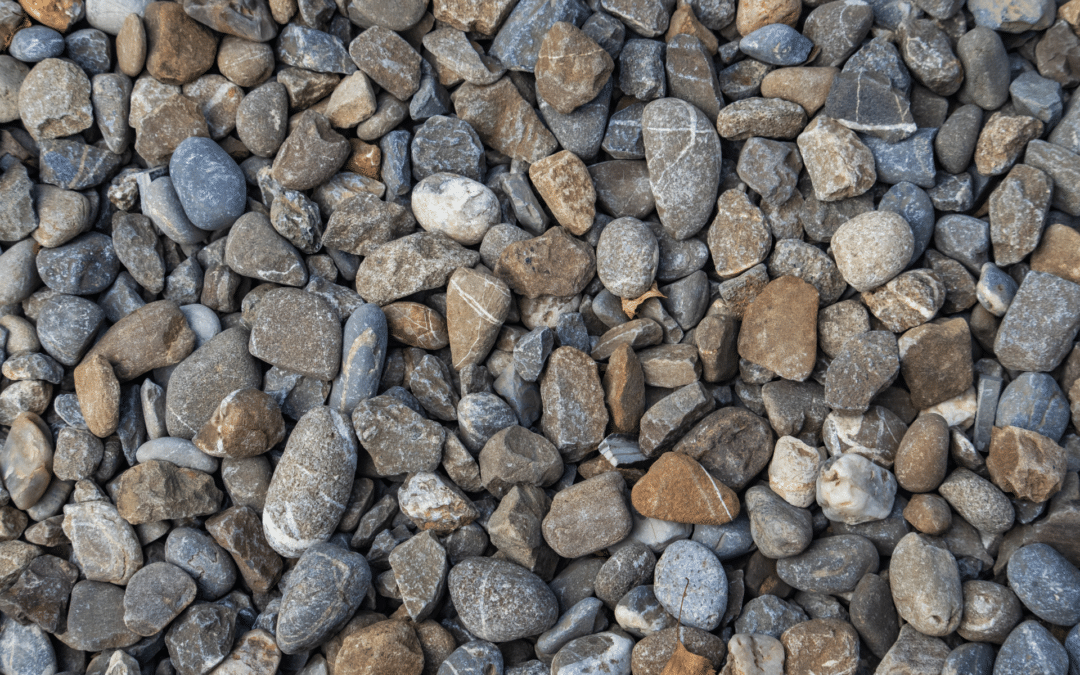
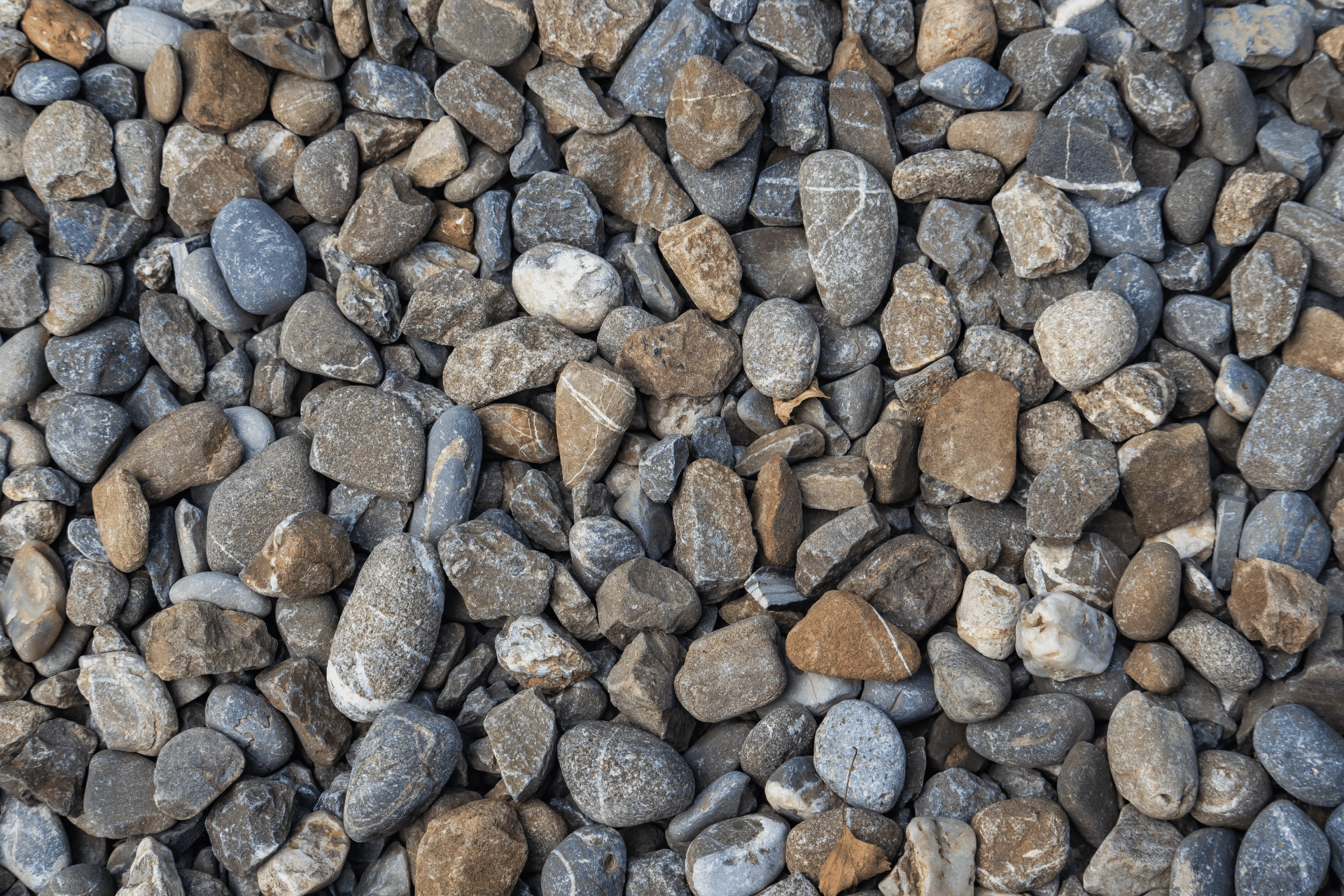
One of the biggest common mistakes is using the wrong type of gravel. Gravel comes in many forms. There are different types of gravel like pea gravel, crushed stone, and gravel and river rock blends.
For example, pea gravel looks great in flower beds and a gravel garden. But pea gravel does not compact well. If you use pea gravel for a driveway or patio with heavy foot traffic, it will shift and move. It will not help stabilize the gravel surface. This is a major pitfall.
Choosing the wrong gravel can affect the durability of your landscaping and the function of your outdoor areas. People often choose based only on price or looks. But it is important to choose the right aggregate for your project.
Skipping the Base Layer and Compaction
Another common gravel mistake everyone makes is skipping the base layer. Many people pour a top layer of gravel directly onto bare soil. This is a big problem.
Without a proper gravel base, the gravel layer will sink. The soil will shift. Water will not drain correctly. This can lead to drainage problems and uneven surfaces.
You need a strong base before adding your top layer. This usually means a coarse aggregate that can compact well. Compaction is key. When gravel becomes compacted correctly, it creates a stable foundation.
Gravel Garden and Landscape Design Errors
Gravel has become very popular in modern landscape design. A gravel garden can look clean and low-maintenance. But even here, people make errors when using gravel that compromise the space’s overall beauty and durability.
Choosing the Wrong Color
Wrong color selection is one of the most common mistakes people make. The wrong color gravel may detract from the overall beauty of your outdoor space.
For example, very bright stone in a natural landscape can look out of place. Dark gravel in a shady area may make the space feel heavy. It is important to consider using gravel that matches your home and garden beds. Gravel in your landscape should improve the visual appeal, not fight against it.
No Weed Barrier or Landscaping Fabric
Weed growth is another major issue. Some people think gravel alone will stop weeds. It will not.
Without a layer of landscaping fabric or weed barrier, weeds will grow through the gravel. Seeds can accumulate in the top layer of gravel. Over time, you will end up with an unsightly mess.
Installing a proper weed barrier under your gravel layer is a simple step. This step can help stabilize the area and reduce weed growth. It also keeps the gravel from mixing with the soil.
Skipping this step is one of the biggest mistakes everyone makes when using gravel.
Drainage Problems and Water Issues
Proper drainage is one of the main reasons people choose gravel. Gravel allows water to drain and helps prevent standing water. But using gravel in landscaping incorrectly can cause drainage problems.
If the base layer is too thin, water may not drain correctly. If the gravel layer is too thick without compaction, it can shift and create low spots. These low spots collect water
People often forget to grade the soil before adding new gravel. Water needs a path. If you ignore slope and drainage planning, mistakes can lead to erosion and damage. Gravel may help with drainage, but only if installed correctly.
Using Too Much or Too Little Gravel
Another common mistake is not knowing how much gravel to order. Some homeowners spread a very thin layer of gravel. Soon, bare soil shows through. This looks bad and reduces durability.
Others use too much gravel. A very thick top layer of gravel can shift under foot traffic. It can be hard to rake the gravel and keep the gravel even.
A balanced gravel layer is important. The right depth depends on the project. A driveway needs more depth than a decorative gravel garden. Planning the correct amount improves the durability of your landscaping and helps keep your gravel looking neat.
Gravel and River Rock Confusion
Many people mix gravel and river rock without understanding the difference between them. Gravel and river rock have different shapes and textures. River rock is smooth and round. It does not compact well. It works best in decorative areas, not in high traffic spaces. Using the wrong aggregate in a patio or driveway can lead to shifting stones and poor support.
This is one of the common mistakes people make when using gravel in landscaping. It is important to avoid mixing materials without a clear purpose.
Edge Control and Spreading Problems
Gravel needs a strong edge. Without edging, gravel spreads into the lawn and garden beds. Over time, the clean look disappears. People make the mistake of ignoring edge support when using gravel. This leads to constant maintenance. You will need to rake the gravel often to keep it in place.
Installing a solid edge keeps the gravel contained. It also improves the function of your outdoor areas and keeps the space low maintenance.
Why Choosing the Right Landscape Supply Makes All the Difference
Even when homeowners understand what mistakes everyone makes when using gravel in landscaping, they still need the right materials.
At Chesshir Stone, we focus on supply and delivery of high quality landscaping materials. We offer a wide range of aggregate options, including crushed stone and pea gravel. We help homeowners choose the right type of gravel for their landscape project.
Choosing the right landscape supply partner helps you avoid common mistakes. We make sure you get the correct material for your driveway, patio, gravel garden, or garden beds. We also help you calculate how much gravel you need for a large area. Good materials matter. Quality gravel supports proper drainage, compaction, and long term durability.
Avoid These Gravel Mistakes and Build a Durable Landscape
Now you know what mistakes everyone makes when using gravel in landscaping. From using the wrong gravel to skipping compaction, these errors can lead to issues such as poor drainage, weed growth, and unstable surfaces
Landscaping with gravel can create a beautiful and low maintenance outdoor space. But only if you plan correctly. Choose the right aggregate. Prepare a strong gravel base. Add a weed barrier. Install proper edging. Think about color and function.
If you are planning to add new gravel to your landscape, consider using high quality materials from a trusted landscape supply source. The right gravel, installed the right way, will keep your outdoor space looking clean, stable, and attractive for years.
FAQs
Do I need a base layer before adding gravel?
Yes, a base layer keeps gravel stable and helps with drainage. Skipping it can cause sinking and uneven surfaces.
How deep should a gravel layer be?
For garden beds, 2–3 inches is enough. For driveways, 4–6 inches including a base is better.
Should I put landscaping fabric under gravel?
Yes, it helps stop weeds and keeps gravel from mixing with soil.
Why does my gravel keep spreading into my lawn?
Without a strong edge, gravel will spread. Edging keeps it neat and in place.
Is pea gravel good for driveways?
No, pea gravel is smooth and moves too much. Crushed stone is better for driveways.
Before you start your next project, learn what mistakes everyone makes when using gravel in landscaping and how to avoid them. The right professional can save you time, money, and frustration. Call us at (469) 972-6781.