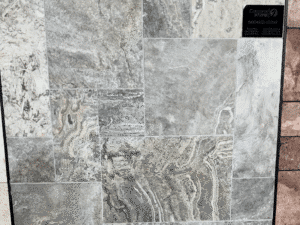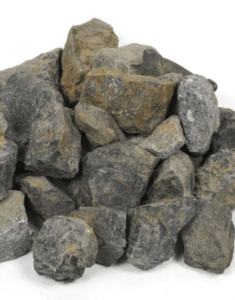
River Gravel Landscaping Ideas for DFW Yards
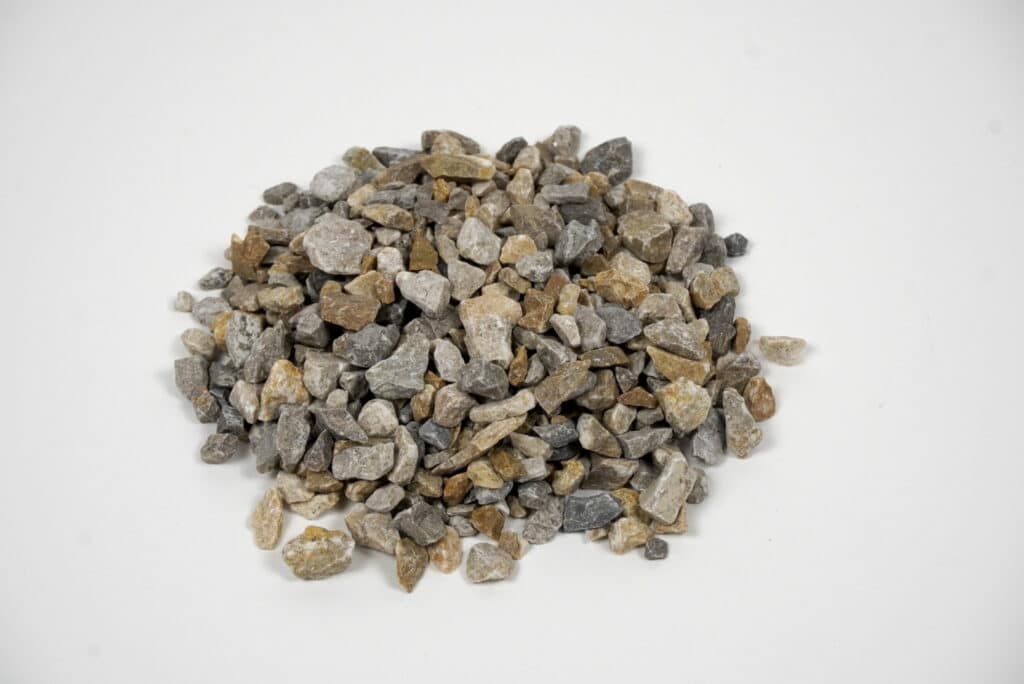
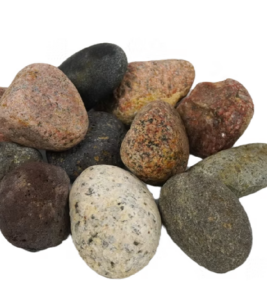
When planning updates to your North Texas yard, river gravel offers a versatile option that provides excellent drainage and a smoother texture compared to larger river rock. Homeowners across the DFW area often look for river gravel near me or ways to buy river gravel dfw because the material creates stable surfaces for paths, beds, and borders while letting water move through soil quickly during spring storms and summer downpours. The finer particle size gives a more uniform look than chunky river rock and still resists shifting under foot traffic when installed over proper base layers.
Chesshir Stone Supply stocks river gravel alongside other landscape materials at multiple yards serving Dallas, Plano, Hurst, and surrounding communities so you can compare sizes and colors in person before loading your vehicle or arranging delivery. Your installer handles site grading and base preparation while the stone itself supplies the finished surface that holds up to local heat and occasional freezes.
Table of Contents
- How River Gravel Differs from River Rock in Texture and Drainage
- River Gravel Pathways for Everyday Use
- Creating Stable Patio and Seating Areas
- River Gravel in Planting Beds and Borders
- Driveway and Parking Surface Options
- Installation Steps for Lasting Results
- Ongoing Care in DFW Conditions
- Avoiding Common Installation Errors
- Finding River Gravel Near Me in the DFW Area
- FAQs
How River Gravel Differs from River Rock in Texture and Drainage
River gravel consists of smaller, rounded stones typically ranging from one-quarter inch to three-quarters inch in diameter. This size range creates a tighter surface that feels smoother underfoot than river rock, which often measures one to three inches across. The smaller particles interlock more closely, reducing the amount of loose movement when walked on regularly. Drainage remains strong because the rounded shapes still leave small voids that allow water to reach the soil below instead of pooling on top.
In DFW yards where clay-heavy soils can slow water movement, river gravel helps prevent standing water around foundations and walkways. River rock provides larger gaps that drain even faster but can feel uneven for bare feet or wheeled items like wheelbarrows. Many homeowners choose river gravel when they want a finished look that stays in place with less frequent raking while still supporting good percolation during heavy rain events common in North Texas.
River Gravel Pathways for Everyday Use
Connecting the front door to a side gate or garden area becomes straightforward with a river gravel path. The material compacts enough to support regular foot traffic without sinking into mud after rain. Edging with metal or concrete borders keeps the gravel contained and maintains clean lines along lawn edges. A four-inch depth over landscape fabric usually provides enough stability for pedestrian use while allowing roots from nearby plants to receive moisture that passes through.
Curved paths work well because the rounded stones conform to gentle turns without large gaps forming at the edges. Adding a slight crown in the center helps water shed to the sides rather than running down the middle of the walkway. Homeowners in areas like Lewisville and Richardson often install these paths to link outdoor living spaces without the higher cost of poured concrete or pavers.
Creating Stable Patio and Seating Areas
River gravel can form the base layer for a casual patio when combined with a compacted sub-base of crushed limestone. The gravel layer on top gives a natural appearance that blends with surrounding plantings. Furniture legs sit more evenly on the finer texture than they would on larger river rock. Drainage stays effective so rain does not leave puddles under chairs or tables after typical DFW thunderstorms.
Adding a border of larger stones or timber around the perimeter defines the space and prevents gravel from migrating into adjacent lawn areas. This approach works for both small seating nooks and larger gathering spots behind the house. The material stays cooler than dark-colored concrete in summer heat, making it more comfortable for bare feet during evening use.
River Gravel in Planting Beds and Borders
Planting beds benefit from river gravel as a top dressing that suppresses weeds when paired with fabric underneath. The smaller size creates a neat, finished surface that contrasts with green foliage without overwhelming smaller plants. Drainage around root zones improves because water moves through the gravel layer instead of sitting against stems or trunks.
Using river gravel along foundation borders directs water away from siding while providing a low-maintenance strip that does not require mowing or trimming. The color choices available at local yards let homeowners match the gravel to existing mulch or hardscape elements. Over time the material settles into a stable layer that needs only occasional raking to maintain an even appearance.
Driveway and Parking Surface Options
Light-use driveways and parking pads can incorporate river gravel over a properly prepared base. The material provides traction for vehicles while allowing rainwater to infiltrate rather than run off onto streets. A six-inch depth helps distribute weight and reduces rutting during wet periods. Regular grading keeps the surface level and prevents low spots from forming.
Homeowners in service areas such as Frisco and McKinney often select river gravel for secondary parking areas or turnarounds where full concrete installation is not required. The rounded texture reduces dust compared with crushed angular gravel and still supports occasional heavy loads when the base layer is adequate.
Installation Steps for Lasting Results
Begin by removing existing vegetation and grading the area to direct water flow. Lay landscape fabric directly on the prepared soil to block weed growth from below. Spread river gravel evenly to the recommended depth, then compact lightly with a plate tamper or roller. Install edging along all exposed sides to contain the material and maintain clean boundaries.
Check the grade periodically during spreading to ensure water will move away from structures. Avoid placing gravel directly against house foundations; leave a small gap or use a different material strip for the first six inches. Proper initial installation reduces future maintenance needs and keeps the surface looking uniform through seasonal changes.
Ongoing Care in DFW Conditions
River gravel surfaces require minimal upkeep once installed correctly. Rake the area a few times each year to redistribute stones that may shift from foot traffic or vehicle use. Remove any accumulated leaves or debris that could break down into organic matter and encourage weed growth. Inspect edging annually and repair any sections that have moved or become damaged.
During extended dry periods the material stays in place without irrigation. After heavy rains, check for minor erosion along edges and add small amounts of gravel if needed. The rounded particles resist breakdown better than some angular alternatives, so replacement volume remains low over several years of normal use.
Avoiding Common Installation Errors
Skipping the landscape fabric layer allows weed seeds already present in the soil to reach the surface and sprout between stones. Using too thin a layer of river gravel lets underlying soil show through and reduces stability under traffic. Failing to compact the base material before adding gravel leads to settling and uneven surfaces within the first season.
Placing gravel on ungraded soil can create low spots where water collects. Installing without edging allows the material to spread into lawns or beds over time. Checking these details before starting helps ensure the finished project meets expectations for both appearance and function in local conditions.
Finding River Gravel Near Me in the DFW Area
Chesshir Stone Supply maintains multiple locations where you can view river gravel options and related landscape materials. Visit Our Locations to find the yard nearest your project site. Service areas include neighborhoods throughout Dallas, Denton, Carrollton, and Irving, making it convenient to purchase river gravel near me without long travel times.
Staff can discuss particle sizes and quantities needed for typical residential projects. Delivery arrangements are available for larger orders so you can focus on installation rather than hauling. Explore Service Areas to confirm coverage for your specific address before placing an order.
FAQs
How much river gravel do I need for a standard pathway?
Measure the length and width of the path, then multiply by the desired depth in feet. Divide the result by twenty-seven to convert to cubic yards. Adding ten percent extra accounts for compaction and minor irregularities in the base.
Can river gravel be used directly on clay soil?
A compacted base layer of crushed limestone or similar material should go down first to improve stability. River gravel placed directly on clay may shift or sink over time, especially after repeated freeze-thaw cycles common in North Texas.
Does river gravel require sealing or treatment?
No sealing product is needed. The natural stone maintains its appearance and drainage properties without coatings. Occasional raking and debris removal keep the surface clean.
How does river gravel perform around pools or water features?
The material drains well and resists algae buildup when kept free of organic debris. It provides a stable, non-slip surface around pool decks when installed to proper depth over fabric and base layers.
Is river gravel suitable for slopes?
Moderate slopes can be managed with terracing or retaining edges that hold the gravel in place. Steeper grades may require additional stabilization methods or a different material to prevent erosion during heavy rain.
Ready to start your river gravel project? Contact Chesshir Stone Supply at (469) 972-6781 or Request a Quote to discuss material options and quantities for your DFW yard.