Crusher Run Gravel Near Me: DFW Base Preparation Tips
If you are searching for crusher run gravel near me, you need reliable guidance on selecting and installing this versatile base material for driveways, patios, and retaining walls across North Texas. Homeowners in Dallas, Plano, and surrounding areas turn to crusher run because it compacts tightly to create stable foundations that handle clay soils, heavy rains, and temperature swings without shifting or washing out.
Quick answer: Crusher run gravel near me refers to a mix of crushed stone and fines that locks together when compacted, making it ideal for DFW base preparation. Chesshir Stone supplies the same crusher run gravel dallas contractors and homeowners use for long-lasting results.
Chesshir Stone & Rock Supply has supplied landscape and hardscape materials across North Texas. We help homeowners and contractors choose what is on the ground. We supply the material. Your installer handles excavation, placement, and final grading around the field stone.
Table of Contents
- What Crusher Run Gravel Near Me Involves for DFW Projects
- Why Choose Crusher Run Over Other Base Materials
- Understanding DFW Soil and Site Preparation
- Step-by-Step Compaction for Stable Bases
- Common Uses in Local Landscaping and Construction
- Ongoing Maintenance for Crusher Run Installations
- Tools and Equipment Needed for DIY Base Work
- FAQs
What Crusher Run Gravel Near Me Involves for DFW Projects
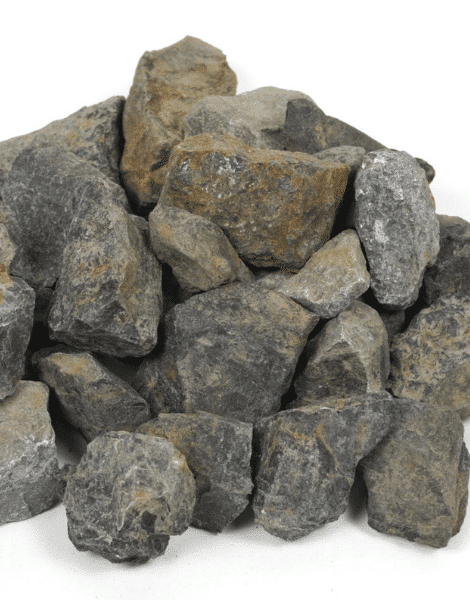
Crusher run gravel near me starts with understanding its composition of angular crushed limestone or granite mixed with stone dust. This blend creates a dense, load-bearing layer that resists erosion better than loose gravel alone. In the DFW region, where expansive clay soils expand during wet seasons and contract in dry periods, proper base depth and compaction prevent cracking in overlying concrete or pavers. Measure your project area first, then calculate volume by multiplying length by width by desired depth, typically six to eight inches for driveways and four to six inches for walkways.
Local soil tests reveal high clay content in many Dallas neighborhoods, so adding a geotextile fabric beneath the crusher run helps separate layers and improves drainage. Without this step, fines can migrate into the subgrade and reduce stability over time. Homeowners often source crusher run gravel dallas from suppliers who deliver directly to the site, reducing handling and ensuring consistent gradation from one load to the next.
Why Choose Crusher Run Over Other Base Materials
Crusher run stands out because the fines fill voids between larger stones during compaction, forming a near-solid surface that supports heavy vehicles or foot traffic. Compared with clean crushed stone, it requires less additional sand or leveling material on top. In North Texas heat, the angular particles stay locked even after repeated freeze-thaw cycles that can loosen rounded river rock. Many local projects combine crusher run with a top layer of decomposed granite or mulch for finished appearance while retaining the strong foundation below.
Another advantage is cost-effectiveness for larger areas such as parking pads or garden shed bases. The material compacts to a high density, so you use less volume than with open-graded alternatives. When searching crusher run gravel near me, verify the supplier offers consistent sizing, usually 3/4-inch down to dust, to match DFW building codes for residential hardscapes.
Understanding DFW Soil and Site Preparation
DFW clay soils demand careful excavation before placing crusher run. Remove at least eight inches of topsoil and organic matter, then grade the subgrade to slope away from structures at a minimum of one percent. This prevents water pooling that could soften the base. In areas like Denton or Frisco, where rainfall can be intense, install French drains or perforated pipe along the low side if the site sits near a slope.
Compact the exposed subgrade with a plate compactor before adding the first lift of crusher run. This step reveals soft spots that need extra fill or stabilization fabric. Work in sections no wider than your equipment can reach to maintain uniform density throughout the project.
Step-by-Step Compaction for Stable Bases
Begin by spreading crusher run in two- to three-inch lifts. Dampen each layer lightly with a hose to activate the fines, then run a vibratory plate compactor over the surface at least four passes. Overlap each pass by half the plate width to eliminate low spots. After the final lift reaches grade, check for a firm, drum-like sound when tapped with a hand tamper. Any yielding areas indicate insufficient compaction or hidden moisture pockets that must be addressed before proceeding.
For driveways expected to carry trucks or RVs, increase total depth to ten inches and use a roller compactor for the bottom lifts. Always compact parallel to the longest dimension first, then crosswise. This pattern distributes force evenly and reduces the chance of future rutting during North Texas thunderstorms.
Common Uses in Local Landscaping and Construction
Crusher run serves as the primary base under paver patios, concrete slabs, and gravel driveways throughout the metroplex. It also stabilizes retaining wall footings when mixed with a small amount of cement for added strength. Homeowners in Plano – K Ave frequently request it for backyard fire pit pads and equipment pads because the material drains well yet stays solid under repeated use.
Another frequent application is temporary construction access roads that later convert to permanent driveways. The same load can be topped with a finer decorative gravel once the heavy equipment phase ends, saving time and money on material changes.
Ongoing Maintenance for Crusher Run Installations
Inspect the surface twice a year for ruts or loose areas, especially after heavy rain. Add fresh crusher run to low spots and recompact rather than allowing water to pond. Edge trimming with a string trimmer prevents grass from creeping inward and loosening the perimeter. In winter, avoid de-icing salts that can degrade the fines; use sand or cat litter for traction instead.
If weeds appear, spot-treat with a non-selective herbicide labeled for gravel areas and follow with a pre-emergent in early spring. This routine keeps the base looking clean without disturbing the compacted layer.
Tools and Equipment Needed for DIY Base Work
- Plate compactor or jumping jack tamper
- Landscape rake and shovel
- Geotextile fabric and stakes
- Measuring tape and grade stakes
- Wheelbarrow for moving material
- Hose with adjustable nozzle for moisture control
Rent larger compactors from local equipment yards when the project exceeds a few hundred square feet. Always wear eye and ear protection during operation.
FAQs
How deep should crusher run be installed for a residential driveway?
Most DFW driveways perform best with eight to ten inches of compacted crusher run over a properly prepared subgrade. Increase depth in high-traffic zones or where heavy vehicles park regularly.
Can crusher run be used directly under pavers without additional sand?
Yes for many installations, though a thin layer of coarse sand or stone dust on top creates a smoother setting bed. The crusher run itself provides the structural support.
What happens if crusher run is not compacted in lifts?
Skipping lifts leads to uneven density, future settling, and surface cracking. Always compact each two- to three-inch layer before adding the next.
Is crusher run suitable for areas with poor drainage?
It works well when the subgrade is graded correctly and fabric is used. In persistently wet spots, combine it with a drainage system to move water away from the base.
Where can I pick up crusher run gravel near me in the DFW area?
Visit Dallas – Bickham Rd (Main) or request delivery through our Request a Quote page for current stock and scheduling.
Ready to start your base preparation project? Contact Chesshir Stone Supply at (469) 972-6781 to discuss crusher run quantities and delivery options for your DFW property. Our team can guide material selection so your next driveway or patio stays level and stable for years.