Driveway Stone Options for DFW Homes
If you are searching driveway stone near me, you are likely looking for durable options that support good drainage and hold up to North Texas weather while keeping maintenance low for DFW homes. Homeowners across Dallas, Plano, Hurst, and surrounding areas often choose gravel, crushed limestone, or river rock for driveways because these materials allow water to pass through clay-heavy soils and resist cracking during summer heat and occasional winter freezes. The key to long-term performance lies in selecting the right particle size and depth rather than relying on any single type of stone alone.
Quick answer: Crushed limestone or angular gravel in the three-quarter-inch to two-inch range provides the best combination of stability and drainage for most DFW driveways. These materials interlock under vehicle weight while still permitting water to move away from the surface. Chesshir Stone Supply stocks a range of driveway stone near me at multiple North Texas yards so you can compare color, size, and texture before purchase.
Chesshir Stone Supply focuses on providing the materials. Your installer handles site grading, base preparation, and final spreading. This approach helps driveways stay functional year after year with periodic raking and top-ups as needed.
Table of Contents
- Why Stone Driveways Work Well in DFW
- Comparing Stone Types for Driveways
- Size, Drainage, and Stability Considerations
- Maintenance Needs for Stone Driveways
- Installation Basics for Homeowners
- Common Mistakes to Avoid
- Where to Source Driveway Stone Near Me
- FAQs
Why Stone Driveways Work Well in DFW
North Texas soil often contains heavy clay that expands and contracts with moisture changes. Solid concrete or asphalt surfaces can crack under these conditions, while permeable stone allows water to drain naturally and reduces pooling near the house foundation. Stone also reflects less heat than dark pavement during long summers and can be refreshed easily by adding fresh material rather than full replacement.
Local weather patterns bring intense thunderstorms followed by dry spells. Stone driveways handle sudden water volume better than sealed surfaces because gaps between particles let runoff escape. Homeowners in areas like Lewisville, Richardson, and Denton report fewer drainage issues after switching to properly installed stone options.
Comparing Stone Types for Driveways
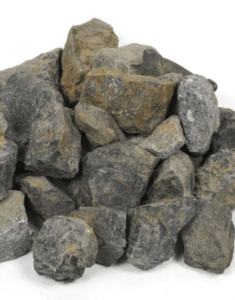
Crushed limestone offers angular edges that lock together under tire pressure, creating a stable surface suitable for daily vehicle traffic. It compacts well over a prepared base and provides a light color that stays cooler in summer. Many DFW homeowners select this for its balance of strength and availability.
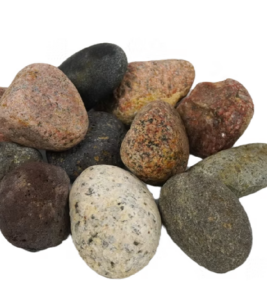
River rock provides a smoother, rounded appearance and excellent drainage. The rounded shape makes it less stable for heavy vehicles unless used as a top layer over a compacted base of angular material. It works well for lighter-use driveways or as an accent border.
Decomposed granite creates a finer, more solid feel once compacted. It drains adequately but can develop ruts if not installed over sufficient base depth. This option suits homeowners seeking a more uniform look without the larger gaps of coarser gravel.
Angular gravel in mixed sizes offers versatility. Larger pieces form the structural base while smaller ones fill voids on the surface. This combination improves both load-bearing capacity and surface smoothness for cars and light trucks.
Size, Drainage, and Stability Considerations
Three-quarter-inch material works well for surface layers because it provides enough grip without becoming too loose under wheels. One- to two-inch pieces serve better in the base layer where they create a solid foundation that resists shifting. Mixing sizes allows water to move downward while the larger stones prevent the entire driveway from sinking into soft clay soil.
Drainage improves when stone is placed over geotextile fabric and a compacted gravel base. This setup directs water away from the driveway edges and reduces erosion during heavy rains common in the DFW region. Homeowners should avoid very fine screenings alone, as they can pack too tightly and limit permeability.
Maintenance Needs for Stone Driveways
Periodic raking redistributes material that shifts toward the edges from vehicle traffic. Adding a thin top layer every couple of years restores depth and appearance without major disruption. Weeds can appear in low-traffic areas, so occasional spot treatment or hand removal keeps the surface clean.
Snow and ice events in North Texas are infrequent but can occur. Stone driveways allow de-icing materials to work effectively because water drains away rather than pooling and refreezing. Homeowners in Frisco, McKinney, and Carrollton often find this easier to manage than sealed surfaces that develop cracks.
Installation Basics for Homeowners
Start with proper grading to create a slight crown or slope that directs water off the driveway. Excavate to allow for a four- to six-inch base layer plus surface stone depth. Compact each layer thoroughly before adding the next. Edge restraints help contain the material and maintain clean lines along the sides.
Work with an installer familiar with local soil conditions. They can recommend the right combination of base and surface stone based on your specific driveway length, slope, and expected traffic. Chesshir Stone Supply can supply the materials once the plan is set.
Common Mistakes to Avoid
Using too little depth allows the base to mix with underlying soil and creates soft spots. Skipping fabric permits weeds and soil migration that shorten driveway life. Choosing only rounded river rock without an angular base layer leads to constant shifting under vehicles. Ignoring drainage slope causes water to collect and soften the surface during wet periods.
Where to Source Driveway Stone Near Me
Chesshir Stone Supply maintains multiple locations serving the DFW area. Visit the Dallas – Bickham Rd (Main) yard or the Hurst – Precinct Line Rd location to view options in person. Additional yards in Plano and Sherman provide convenient access for residents in those communities. Check the full Our Locations page or Request a Quote to discuss your project needs.
FAQs
How deep should driveway stone be installed?
Most DFW driveways perform best with four to six inches of compacted base material plus two to three inches of surface stone. Depth can vary based on soil type and expected vehicle weight.
Which stone size works best for daily car traffic?
Three-quarter-inch angular material on the surface combined with larger base pieces provides stability while still allowing drainage. This size range resists rutting under normal residential use.
Does stone need fabric underneath?
Landscape fabric helps separate the stone from clay soil and reduces weed growth. It allows water to pass while limiting soil movement that can destabilize the driveway over time.
How often does stone driveway material need replacement?
With proper installation and occasional raking, many homeowners add a thin top layer every two to three years rather than complete replacement. Regular maintenance extends the life of the original material.
Can I mix different stone types?
Yes. Using angular gravel for the base and river rock or decomposed granite on top creates a balance of stability and appearance. Local yards can help match compatible materials.
Ready to explore driveway stone near me options for your home? Contact Chesshir Stone Supply at (469) 972-6781 or submit details through the Request a Quote , Hurst form to discuss materials suited to your DFW driveway project.