Crusher Run Gravel for DFW Driveways and Bases

If you are searching crusher run gravel near me, you are likely looking for a compactable base material that creates stable driveways and foundations across the DFW area. Homeowners in Dallas, Plano, Hurst, and surrounding communities often select crusher run because it contains a mix of crushed stone and fines that lock together when compacted, providing a solid layer that resists shifting under vehicle weight or seasonal weather changes. This material differs from clean gravels, which drain quickly but lack the binding particles needed for a firm base. Proper installation begins with site grading and continues through multiple passes with a compactor to achieve the density required for long-term performance.
Quick answer: Crusher run gravel near me serves as an economical base layer that compacts tightly due to its angular particles and stone dust content. It supports driveways, patios, and shed foundations when spread four to six inches deep and rolled in lifts. Chesshir Stone Supply stocks crusher run at yards serving the DFW region so customers can review particle size and color consistency before purchase.
Chesshir Stone Supply focuses on providing the materials. Your installer handles excavation, compaction, and final grading. This division of responsibilities helps ensure the base meets local soil conditions and load requirements without unnecessary callbacks.
Table of Contents
- What Is Crusher Run Gravel
- Benefits for DFW Driveways and Bases
- Crusher Run Versus Clean Gravel
- Recommended Depths for Driveways
- Soil Preparation Steps
- Compaction Techniques That Work
- Other Common Uses Around the Home
- Long-Term Maintenance Practices
- Where to Source Crusher Run Gravel Near Me
- FAQs
What Is Crusher Run Gravel
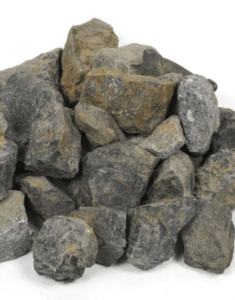
Crusher run gravel consists of crushed limestone or similar rock that has been run through a crusher and screened to include both larger angular stones and the finer dust particles produced during crushing. The resulting blend ranges from pieces roughly three-quarters of an inch down to dust, creating a material that packs densely when moisture is added and pressure applied. This composition gives it self-binding qualities that clean, washed gravels do not possess.
In North Texas, crusher run is commonly produced from local limestone quarries and delivered to yards serving the metroplex. The angular shape of the particles interlocks under compaction, reducing movement over time compared with rounded river rock or pea gravel. Homeowners appreciate that the fines fill voids between larger stones, creating a surface that remains relatively smooth once rolled.
Benefits for DFW Driveways and Bases
DFW summers bring intense heat that can soften some base materials, while occasional winter freezes introduce moisture that expands and contracts. Crusher run handles these cycles well because the compacted fines limit water infiltration and the angular stones resist displacement. Driveways built on a properly prepared crusher run base typically show fewer ruts and potholes after several years of use.
Another advantage is cost efficiency. The material is produced locally and requires less processing than washed gravels, keeping prices competitive for large driveway projects. Because it compacts to a solid layer, fewer inches of overlying surface material may be needed, which reduces overall project expense.
Crusher Run Versus Clean Gravel
Clean gravel contains only stones of a uniform size with no fines attached. Water passes through it rapidly, which is useful for drainage applications but makes it unsuitable as a standalone driveway base. The stones shift under load because nothing binds them together. Crusher run, by contrast, includes the dust that acts as a natural cement when dampened and compacted.
Many DFW installers place a layer of crusher run first, then top it with a thinner layer of clean gravel or decomposed granite for a finished appearance. This combination provides structural support from the base while allowing surface water to drain through the top course. The distinction matters when planning a project that must withstand daily vehicle traffic.
Recommended Depths for Driveways
Residential driveways in the DFW area usually receive four to six inches of compacted crusher run. Heavier vehicles or poor subgrade conditions may require eight inches total, placed in two separate lifts of four inches each. Each lift must be compacted before the next layer is added to prevent soft spots from forming later.
Walkways and light-use areas can often use three to four inches. Always verify local building requirements and soil reports before finalizing depth, because clay-heavy soils common in parts of Dallas and Collin counties may need additional stabilization.
Soil Preparation Steps
Begin by removing vegetation and organic material to expose stable subsoil. Grade the area to establish proper slope for drainage away from structures. A slight crown or cross-slope of one to two percent helps water move off the finished surface. Compact the exposed subgrade with a plate compactor or roller before any crusher run is placed.
If the native soil is very soft or contains excessive clay, a geotextile fabric can be laid first to separate the base material from the subgrade. This step reduces the chance of fines migrating downward and weakening the structure over time.
Compaction Techniques That Work
Moisten the crusher run lightly before compaction so the fines can bind. Too much water creates a muddy mix that will not compact; too little leaves the material loose. Make multiple passes with equipment sized for the project. A walk-behind plate compactor works for smaller areas, while a ride-on roller is more efficient for full driveways.
Check compaction by observing the surface. Properly compacted crusher run should feel firm and show minimal indentation when walked on. Continue rolling until the material no longer moves under the equipment.
Other Common Uses Around the Home
Beyond driveways, crusher run serves as a base for patios, retaining walls, and equipment pads. It provides a level, stable platform for concrete forms or paver installation. Some homeowners use it to create temporary access roads during construction before final surfacing.
Because the material drains reasonably well once compacted, it also works under French drains or behind retaining walls where a stable yet permeable layer is needed.
Long-Term Maintenance Practices
Inspect the driveway surface each spring for signs of erosion or loose material along the edges. Adding a thin top dressing of crusher run or clean gravel can restore a smooth appearance. Avoid parking heavy equipment on the edges where the base may be thinner.
Keep vegetation trimmed along the sides so roots do not push into the compacted layer. Occasional re-compaction after heavy rains can help maintain density in high-traffic zones.
Where to Source Crusher Run Gravel Near Me
Chesshir Stone Supply maintains inventory at multiple DFW locations. Customers can visit to examine the material in person and discuss quantities needed for specific projects. Delivery is available throughout the service area, and staff can help calculate volumes based on driveway dimensions.
Request a Quote: Request a Quote. Home: Home. Our Locations: Our Locations. Service Areas: Service Areas.
FAQs
How much crusher run do I need for a standard driveway?
Measure the length and width of the driveway, then multiply by the desired depth in feet. Divide by 27 to convert to cubic yards. Add ten percent extra to account for compaction and waste.
Can crusher run be used as a finished surface?
It can serve as a finished surface in low-traffic areas, but most homeowners prefer a top layer of clean gravel or decomposed granite for better appearance and traction.
Does crusher run require landscape fabric underneath?
Fabric is optional but recommended on soft or clay soils to prevent migration of fines into the subgrade. On stable, well-drained ground it is often omitted.
How long does a crusher run base last?
With proper compaction and drainage, a crusher run base can support a driveway for many years before significant maintenance is needed. Regular inspections help identify issues early.
Is crusher run the same as road base?
The terms are often used interchangeably in the DFW region. Both describe a crushed stone product with fines that compacts into a stable layer.
Ready to start your driveway project? Call (469) 972-6781 or visit Request a Quote , Hurst to discuss crusher run gravel near me and schedule delivery.