Black Lava Rock Landscaping Guide for North Texas
If you are searching for black lava rock for your North Texas landscape, you want material that delivers sharp drainage, bold contrast against local greenery, and a clean backdrop for fire features without needing constant upkeep. Homeowners in the DFW area often turn to this lightweight volcanic stone because it handles heavy clay soils and intense summer heat better than denser river rock or gravel.
Quick answer: Black lava rock improves drainage around beds and patios, creates high-contrast accents next to native plants or light-colored hardscape, and works well in fire pits because it resists cracking from heat. Chesshir Stone Supply stocks black lava rock at multiple North Texas yards for pickup or delivery; visit Our Locations to confirm current stock and sizes before you load.
Chesshir Stone Supply has supplied landscape and hardscape stone across North Texas since 1975. We help homeowners and contractors choose what is on the ground. We supply the stone. Your installer handles excavation, setting, and drainage around the rock.
Table of Contents
- What Black Lava Rock Means for North Texas Yards
- Drainage Benefits in DFW Clay Soils
- Creating Contrast with Local Plants and Stone
- Using Black Lava Rock in Fire Features
- Sizes and Types to Compare at the Yard
- How to Calculate How Much You Need
- Practical Placement and Maintenance Tips
- Mistakes That Waste Time and Material
- Where to Buy Black Lava Rock Near You
- FAQs
What Black Lava Rock Means for North Texas Yards
A black lava rock search usually points to homeowners who need lightweight, porous stone that lets water pass through quickly. In DFW yards built on heavy clay, this helps prevent pooling around foundations and plant roots. The dark color also absorbs heat during the day and releases it slowly, which can extend the season for certain warm-season plants.
Because the rock is volcanic, it stays lighter in weight than granite or limestone boulders of the same size. That makes it easier to spread by hand or with a wheelbarrow when you are working on slopes or raised beds. Local installers often combine it with a weed barrier fabric so the dark surface stays visible longer between rains.
Drainage Benefits in DFW Clay Soils
Clay holds water and expands when wet, then cracks when dry. Black lava rock creates a fast-draining layer on top of amended soil or around French drains. Place a 2-to-3-inch layer in low spots near patios or along the house to move rainwater away from the foundation. The porous texture also reduces splash-back onto siding during heavy storms common in spring and fall.
Many homeowners pair the rock with perforated drain tile in planting beds that sit against retaining walls. The combination keeps soil from washing out while still allowing roots to breathe. Because the rock does not compact like decomposed granite, it maintains airflow even after several seasons of foot traffic from pets or children.
Creating Contrast with Local Plants and Stone
The deep black color stands out against the light greens of native grasses, salvia, and lantana that thrive in North Texas. It also makes lighter limestone or sandstone edging pop visually. Use the rock as a mulch substitute in xeriscape beds or as a narrow accent strip between concrete pavers and turf. The contrast helps define pathways and focal points without adding more plants that require irrigation.
Pair black lava rock with the buff or tan tones already on many DFW homes for a modern look. It also works beside existing decomposed granite paths or pea gravel driveways to create a layered appearance that feels intentional rather than uniform.
Using Black Lava Rock in Fire Features
Fire pits and fire bowls benefit from black lava rock because the material resists spalling when heated repeatedly. Fill the base of a gas or wood-burning unit with the rock to improve airflow and reduce smoke. The dark color hides ash and char better than lighter gravel, so the feature stays looking clean between cleanings.
Keep the rock at least 4 inches away from the burner ring on gas units so flames do not directly contact the stone edges. Homeowners often top the lava with a few larger accent pieces for visual interest once the fire is out. Always follow the fire feature manufacturer guidelines for depth and clearance.
Sizes and Types to Compare at the Yard
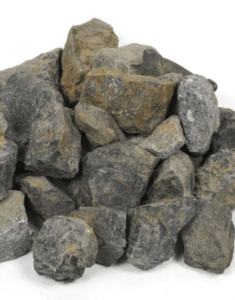
Black lava rock comes in several screen sizes. Smaller 1-to-2-inch pieces work well for ground cover and around pavers. Larger 3-to-5-inch chunks suit fire features or as a decorative top layer over drainage rock. Some yards also carry mixed sizes that give a more natural, uneven appearance.
Walk the piles at the yard and compare wet versus dry color. The rock darkens when wet, which helps you picture how it will look after a rain. Note any white or gray veining that may appear once the material weathers in place.
How to Calculate How Much You Need
Measure the length and width of the area in feet, then decide on depth. For a 2-inch layer, divide the square footage by 162 to get cubic yards. For a 3-inch layer, divide by 108. Add 10 percent extra for irregular shapes or settling. Chesshir staff can help convert your measurements into the right quantity when you visit.
Always order from the same lot when possible so color and texture stay consistent across the project. If the job spans more than one weekend, cover unused rock with a tarp to keep dust and pollen from settling on the surface.
Practical Placement and Maintenance Tips
Start by laying landscape fabric or a geotextile barrier to stop weeds from pushing through. Spread the rock evenly with a rake, then walk over it lightly to settle pieces into place. Around trees and shrubs, leave a small open ring at the trunk so air can reach the root flare.
Maintenance stays minimal. Occasional raking removes leaves, and a light spray from a hose clears dust after pollen season. The rock does not break down, so you will not need to top it off every year like organic mulch.
Mistakes That Waste Time and Material
One common error is placing black lava rock directly against wood siding or fences without a gap; the dark color can make moisture stains more visible. Another is using it in high-traffic walkways without a compacted base, which leads to shifting stones. Finally, ordering too little at the start forces a second trip and possible color mismatch.
Where to Buy Black Lava Rock Near You
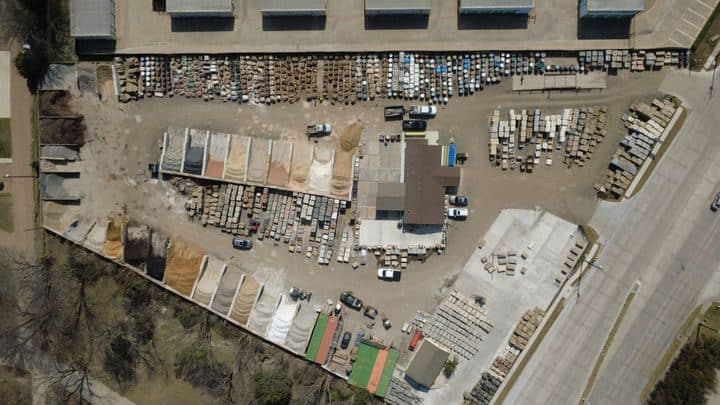
Chesshir Stone Supply keeps black lava rock on hand at yards serving Dallas, Plano, Hurst, and surrounding communities. Check current availability and arrange delivery or pickup through the locations page or by calling ahead. For a formal quote that includes delivery to your specific address, use the Request a Quote form.
FAQs
Does black lava rock work well in raised garden beds?
Yes. The lightweight, porous nature improves drainage at the bottom of beds and helps prevent root rot in clay-heavy areas. Many homeowners place a 2-inch layer beneath amended topsoil.
Will the rock fade or change color over time?
The dark tone stays consistent, though it may appear slightly lighter when coated with fine dust between rains. A quick rinse restores the original depth.
Can I mix black lava rock with other stone types?
Yes. It pairs cleanly with limestone, sandstone, or decomposed granite for layered looks. Keep the different materials separated by edging so they do not migrate into each other.
Is black lava rock safe around pets?
The edges are generally smooth after screening, but supervise pets the first few days until they become used to the texture underfoot. The material does not contain chemicals that leach into soil.
How often should I replace black lava rock?
Replacement is rarely needed because the rock does not decompose. Occasional raking and adding small amounts to high-wear spots keeps the surface looking full.
Ready to see black lava rock in person for your North Texas project? Call 469-972-6781 or submit details through the Request a Quote — Hurst page. Our team can confirm current stock and delivery options to your address.