Maintaining Stone Edging in DFW Flower Beds Year-Round
If you are searching for stone edging maintenance dfw guidance, you need practical routines that keep landscape border rock looking sharp through North Texas heat, sudden storms, and occasional freezes without constant replacement or professional help. Homeowners in Dallas, Plano, and surrounding areas often install stone borders around flower beds for clean lines and low water use, but the real work starts after the first season when weeds push through, soil shifts, and edges settle unevenly.
Quick answer: Stone edging maintenance dfw focuses on seasonal inspections, targeted weeding, drainage checks, and minor resets rather than full reinstallation. Chesshir Stone supplies the same landscape border rock and gravel used in local yards so you can match existing material when repairs are needed.
Chesshir Stone & Rock Supply has supplied landscape and hardscape materials across North Texas. We help homeowners and contractors choose what is on the ground. We supply the material. Your installer handles excavation, placement, and final grading around the field stone.
Table of Contents
- What Stone Edging Maintenance DFW Involves
- Spring Reset and Weeding Routines
- Summer Heat and Irrigation Adjustments
- Fall Cleanup and Drainage Checks
- Winter Protection Steps for North Texas
- Common Issues and Simple Fixes
- Tools and Materials to Keep on Hand
- When to Call for Professional Support
- FAQs
What Stone Edging Maintenance DFW Involves
Stone edging maintenance dfw starts with understanding how local clay soils expand and contract. This movement can tilt border rocks or create gaps where mulch washes away. Regular checks every six to eight weeks prevent small shifts from becoming large gaps that require buying new stone. Focus on three areas: weed control at the base, level alignment along the bed edge, and clear drainage paths so water does not pool behind the stones during heavy rains.
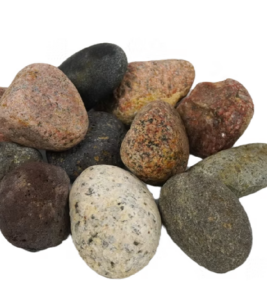
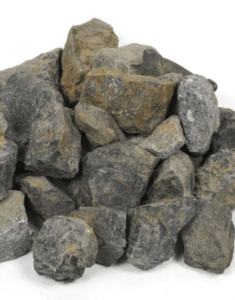
Landscape border rock care dallas also means matching the original stone type when you need to add or replace pieces. Different loads vary slightly in color and shape, so visiting a local yard lets you compare pieces side by side before loading. Flower bed stone upkeep north texas works best when you keep records of the stone size and source used in your original install so future additions blend naturally.
Spring Reset and Weeding Routines
Begin spring maintenance once soil firms up after winter rains. Pull weeds by hand near the stones first, then use a targeted pre-emergent along the base if your beds contain established perennials. Rake settled mulch back into place and check that each stone sits flush with the lawn edge. If a rock has tilted, lift it, add a small amount of gravel base, and reset it level. This simple step stops future leaning caused by expanding clay.
Walk the full length of every border and note any low spots where water collected last season. Adding a thin layer of crushed rock behind those areas improves drainage without changing the visible stone line. Keep a small bucket of matching gravel on hand so you can top up gaps immediately rather than letting weeds take hold.
Summer Heat and Irrigation Adjustments
High temperatures in North Texas dry out soil quickly, which can cause stones to shift as the ground shrinks. Check borders after any extended dry spell and water the soil behind the edging lightly if gaps appear. Avoid spraying directly on the stones if they have a natural finish that can collect mineral deposits. Instead, direct irrigation heads so water reaches plant roots without constant splashing against the border.
During peak summer, inspect for ant hills or rodent activity that undermine stones. Fill small holes with gravel and tamp lightly. This prevents larger voids from forming under the edging line. Flower bed stone upkeep north texas during summer also includes removing fallen leaves or grass clippings that collect against the rocks and hold moisture.
Fall Cleanup and Drainage Checks
Fall is the best time to perform a thorough leveling pass before winter. Remove accumulated debris from between stones and re-grade the soil line so water flows away from the beds. If you notice standing water after rain, add a shallow trench behind the stones filled with drainage rock. This simple addition reduces freeze damage later.
Take photos of your borders at the end of fall. These images help you spot changes next spring and decide whether you need additional stone. Many homeowners keep a small stock of the same landscape border rock at home for quick repairs rather than making multiple trips.
Winter Protection Steps for North Texas
Although DFW winters are mild, occasional freezes can crack stones that hold trapped water. Before the first hard freeze, make sure no low spots allow water to sit inside the border line. Remove any remaining annual debris and apply a light layer of mulch to insulate roots without covering the stones themselves.
Check that downspouts and French drains still direct water away from stone edges. Ice expansion against poorly drained soil is one of the main reasons borders tilt after winter. A quick walk-through after every freeze event catches problems early.
Common Issues and Simple Fixes
Uneven settling is the most frequent complaint. Lift the affected stones, add a gravel base, and reset them to the original height. Weed growth between rocks usually means the base layer is too thin. Pull the weeds, add more gravel, and compact it before replacing the top stones.
Discoloration from hard water can be reduced by occasional rinsing with a mild vinegar solution followed by plain water. Never use harsh chemicals that could affect nearby plants. When stones crack from impact or freeze, replace only the damaged piece with matching material rather than redoing the entire border.
Tools and Materials to Keep on Hand
- Hand tamper for resetting stones
- Small gravel or decomposed granite for base repairs
- Pre-emergent granules labeled for landscape beds
- Level and rubber mallet for quick adjustments
- Bucket for carrying matching replacement stone
Keeping these items ready lets you handle most stone edging maintenance dfw tasks in under an hour per bed.
When to Call for Professional Support
If more than one third of your border has shifted or you notice repeated drainage failures after repairs, it may be time to consult a local installer. They can assess whether the original base needs rebuilding. For material matching, visit one of our yards listed on the Our Locations page or review service coverage on the Service Areas page. You can also Request a Quote when you need larger quantities of replacement stone delivered.
FAQs
How often should I inspect stone edging in DFW yards?
Perform a full walk-through every six to eight weeks during the growing season and once after each hard freeze. Early detection keeps small gaps from turning into major resets.
Can I use the same stone type for repairs years later?
Yes, but natural stone varies between loads. Bring a sample piece to the yard so you can match color and shape before purchasing replacement material.
What causes stones to tilt after the first winter?
Clay soil expansion combined with poor drainage behind the border is the usual cause. Adding a gravel backfill layer improves stability without changing the visible edge.
Is it safe to use weed killer near stone borders?
Targeted application along the base is fine when plants are dormant, but always follow label directions and keep spray away from flower bed soil to protect roots.
Should I cover stone edging with mulch in winter?
Apply mulch only behind the stones to insulate plant roots. Leaving the stones exposed prevents moisture buildup that can lead to cracking during freezes.
Ready to keep your stone borders looking sharp all year? Call (469) 972-7126 or visit the Home page to find the nearest yard and stock up on matching landscape border rock before your next maintenance round.